Natomas Airfield
Where Sacramento’s Skies Once Took Flight.
A Local Legend That Flew Too Close to Home
Natomas Airfield isn’t just dirt and asphalt. It’s a vivid snapshot of community, aviation culture, and the conflict between history and development. It served pilots, dreamers, students, and dogs like Gyro. Now, its legacy lives on in stories, photos, and a decrepit hangar—a standing yet crumbling monument to a vanished era.
Birth of a Runway
What began as Branstetter Airport, a small general aviation strip, quickly grew roots in Sacramento’s vast farmlands. It first appeared in a telephone book ad in 1946 and on sectional charts by 1947, boasting a 3,000-foot unpaved runway.
A New Identity
The humble field shed its old name and soared into a new identity as Natomas Airport, complete with a paved 2,000-foot runway (16/34) and housing the American Aero Club and Sacramento Aero Services.
Growth and Ambition
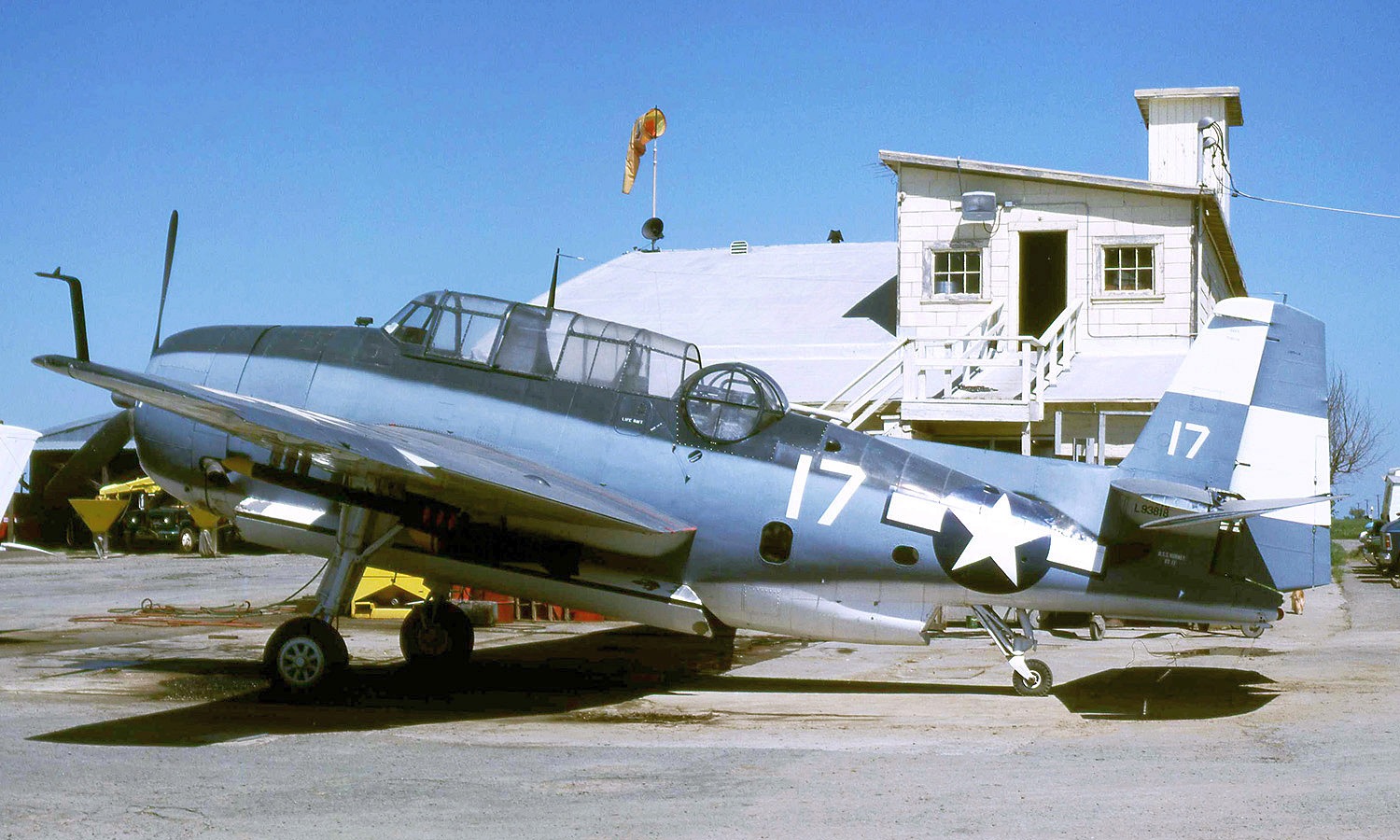
Through the decades, Natomas grew. By 1987, the runway stretched to a more ambitious 2,700 feet. Aircraft training buzzed day and night, and the airfield pulsed with aviation spirit.
Life on the Tarmac
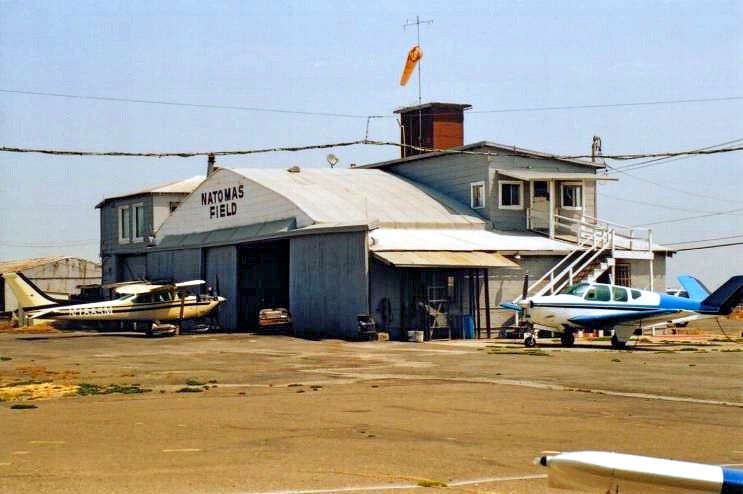
Sheryl Borsoff, who lived above the hangar, described life there as 'the nicest place I have ever lived,' with runway views, a dog named Gyro who became family, and dramatic summer storms.
The End of an Era
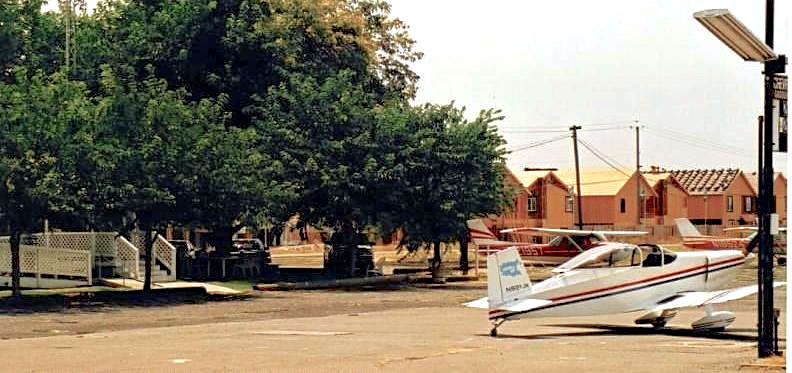
Encroaching housing and shifting master plans spelled the end. Though still shown as private on some charts, the airport officially shuttered as homes and the Arco Arena rose nearby.
A Slow Decay
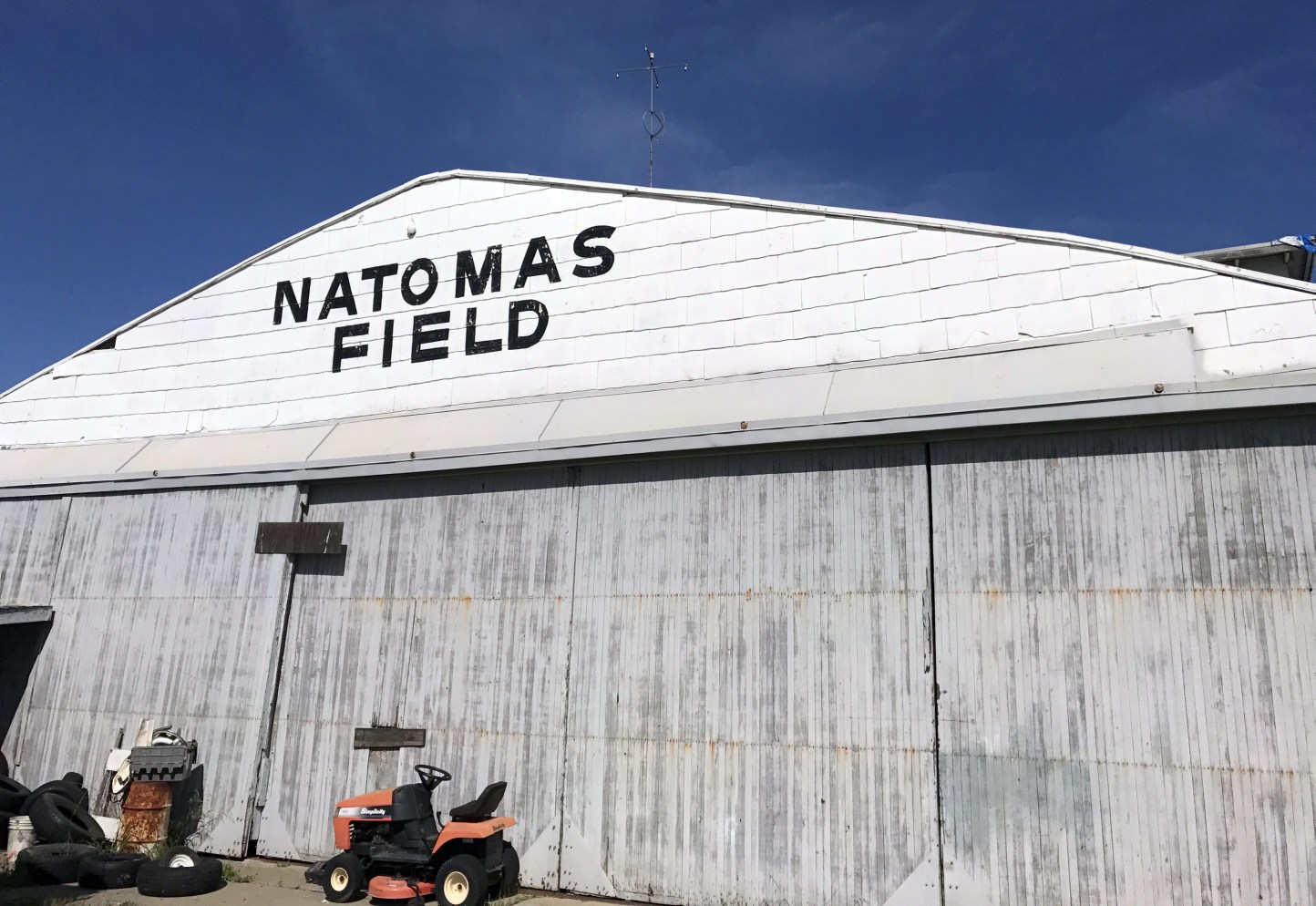
Only the hangar and remnants of runway markings remained—'a sad sight for anyone who appreciates the value of aviation.' Photos from this period show rusting fuel pumps, caving hangars, and a lone Meyers OTW biplane entombed inside.
The Final Act
A fire tragically destroyed the historic hangar, burning it to the ground. In a stroke of incredible luck, the vintage Meyers OTW biplane had been moved just a month earlier and is now rumored to be safely stored in Yuba City.
A Hidden Treasure's New Chapter
Though time and fire have claimed the physical structure, the spirit of the airfield lives on. The beautiful early-model Meyers OTW airplane, once entombed in the decaying hangar, is safe, beginning a new chapter in its long and storied life.
Life on the Tarmac
One particularly vivid voice, Sheryl Borsoff—who lived above the hangar in 1993—described life there as “the nicest place I have ever lived.”
Living rooms with runway views, a dog named Gyro who became family, barn owls nesting in hangars, and dramatic summer storms that blew them outside in awe.
The Hidden Gem
What remains isn’t just wreckage—it’s a piece of the community’s soul. A video excavation reveals a secret: a beautiful early-model Meyers OTW airplane still rests inside, shadowed by decay but holding immense local lore.